
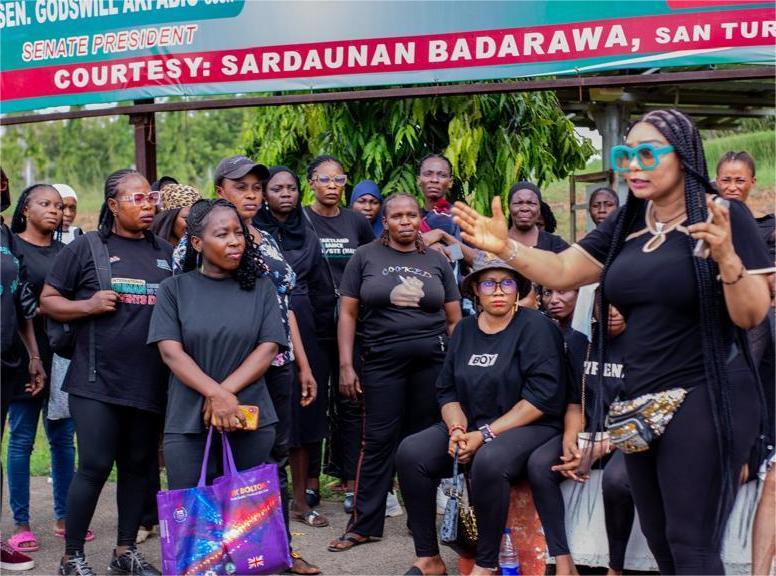
As global activities to mark the 16 Days of Activism against Gender-Based Violence (GBV) intensify, the Mothers And Marginalised Advocacy Centre (MAMA Centre), in partnership with Avocats Sans Frontières (ASF) Nigeria, has raised fresh concerns about the growing dangers secondary school students face on social media.
Citing recent trends, the organisations noted that over 95 percent of young people aged 13–17 now use social media, with many spending more than three hours daily on various platforms. While these platforms offer connectivity, learning, and entertainment, MAMA Centre stressed that they also expose adolescents to serious, often hidden risks at a sensitive stage of emotional and cognitive development.
In a joint statement by Dr. Chioma B. Kanu, Executive Director of MAMA Centre, and Angela Uzoma Uwandu-Iwuchukwu, Bureau Chief of ASF Nigeria, with support from the French Embassy, the groups highlighted rising concerns.
“We are at a point where we cannot ignore the profound risks social media poses to our young people,” Dr. Kanu said.
“The challenge is multifaceted, impacting mental health, physical safety, and academic focus. Our goal is not to ban these platforms, but to equip our students and families with the knowledge to navigate them safely and healthily.”
According to the organisations, some of the most critical dangers include exposure to harmful content that fuels anxiety, depression, and poor body image, especially among girls. The anonymity embedded in many platforms, they noted, enables cyberbullying, which can follow children into their private spaces, causing deep emotional distress and sometimes leading to self-harm.
The statement further read, “Young people are exposed to inappropriate content including violent and explicit material, misinformation, and dangerous social media challenges. This exposure can normalise risky behaviour and distort their understanding of reality.”
Another major threat highlighted is the increasing presence of malicious actors online. Predators often target vulnerable teens, establishing deceptive relationships with the intention to exploit or extort them—especially when young people overshare personal information.
The organisations also warned that constant notifications and the addictive design of many platforms disrupt sleep patterns, reduce focus on academics, and limit physical activity, which affects overall health and school performance.
Based on these concerns, MAMA Centre and ASF Nigeria issued recommendations to help protect young people. For secondary school students and anyone under 18, they advised the immediate blocking and reporting of any user who makes them uncomfortable, engages in harassment, or sends inappropriate messages.
They encouraged children to immediately “tell a trusted adult,” keep all accounts set to the highest privacy settings, and avoid sharing personal information. The organisations emphasised that meeting online acquaintances alone is dangerous and should never happen without a trusted adult present in a public place.
Recognising that anything posted online becomes part of a young person’s permanent digital footprint, the groups urged adults to teach children to pause before posting private, emotional, or sensitive content.
Parents and guardians were encouraged to maintain open, non-judgemental conversations about online experiences, including influencers, friends, and the emotions certain content evokes. They also advised parents to take advantage of parental control tools like “family pairing,” available on platforms such as TikTok and Instagram, to manage screen time and restrict harmful content.
The NGOs warned parents to be alert for signs of distress linked to social media use—such as secrecy, changes in sleep or eating habits, school avoidance, or withdrawal—and to seek professional help when necessary.
On the role of schools, the organisations stressed that digital citizenship education must be integrated into the curriculum. This includes media literacy, critical thinking, countering misinformation, and robust cyberbullying awareness and response training. They also called for confidential access to school counsellors or mental health professionals to help students navigate online pressures.
The statement further urged technology companies operating in Nigeria to establish local content moderation teams with cultural and language expertise. They also advocated for a comprehensive online safety law that defines digital harms and imposes penalties on offenders, noting that effective policy is essential for safeguarding young users.
“By working together, we can ensure that our school children benefit from the positive aspects of the digital world while being protected from its most significant harms,” the statement concluded.


More Stories
Canada-Based Nigerian Entrepreneur Wins 2026 Women of Rubies Media Pitch Challenge
Spotlight: Impact Leader of the Month | Aderonke Olisa
Guardian Woman Festival Opens in Style, Launching Month-Long Celebration of Women