
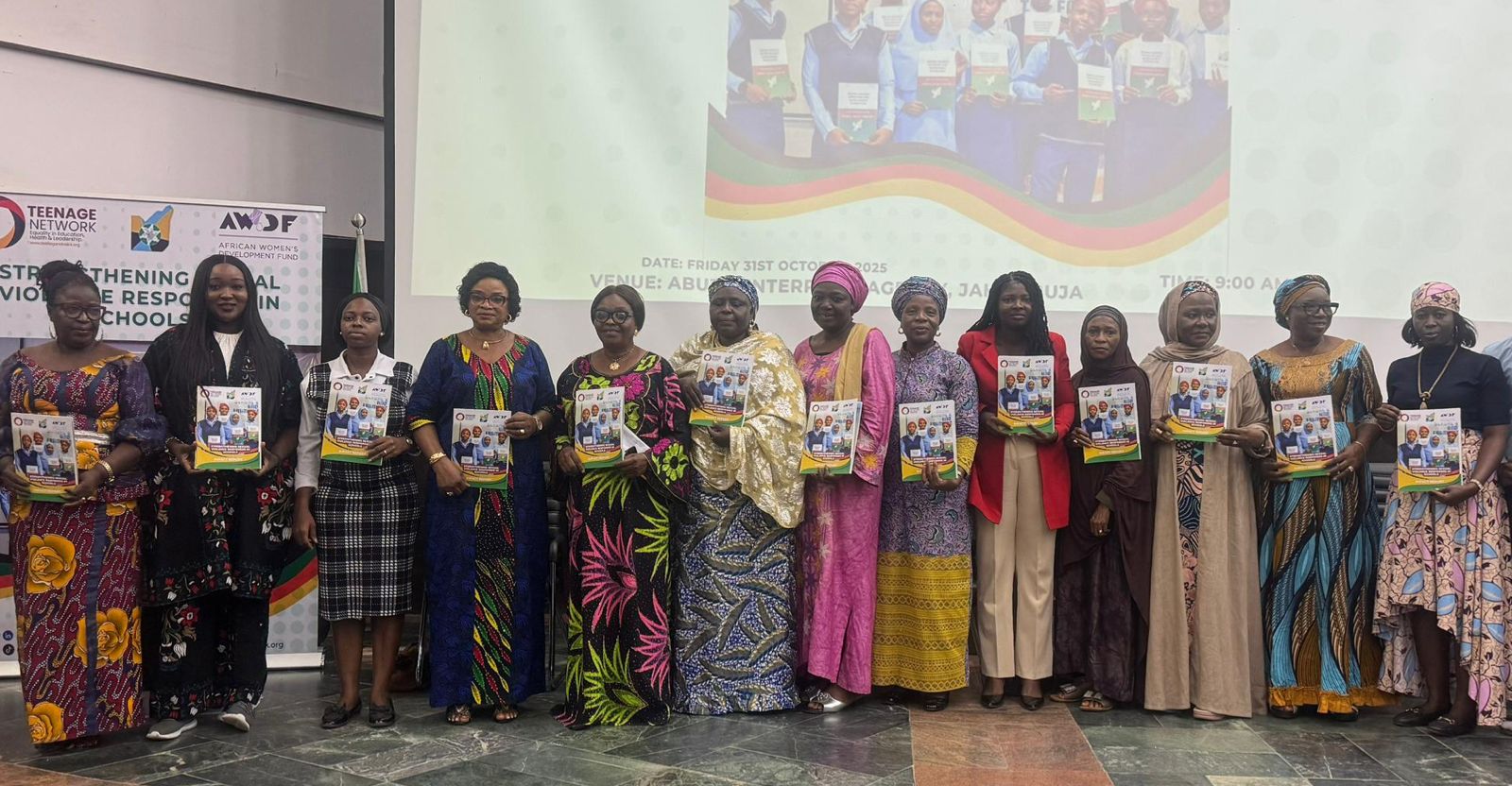
The Teenage Network has successfully concluded its two-year project on Strengthening Sexual Violence Responses in FCT Schools, introducing a groundbreaking Sexual Violence Reporting and Management Framework aimed at standardising how cases of school-related sexual violence are prevented, reported, and managed across both public and private institutions in the Federal Capital Territory.
Speaking at the project’s close-out event in Abuja, Executive Director, Olanike Timipa-Uge, described the initiative as a major milestone in safeguarding learners and strengthening institutional accountability within the education system. She noted that the project, which began two years ago, was developed in response to alarming gaps that had allowed incidents of sexual violence in schools to go unnoticed or unaddressed.
“We found that about 65 percent of school-related sexual violence cases were never reported,” Timipa-Uge revealed. “There was no clear pathway for survivors or witnesses to safely report incidents. This new framework changes that. It introduces multiple reporting channels, including anonymous options, suggestion boxes, and hotlines—ensuring that no voice goes unheard.”
The new framework, now adopted in FCT schools (primary and secondary, public and private), establishes a survivor-centred and standardised system for handling reports of abuse. It also prioritises confidentiality, trauma-informed responses, and collaboration between schools, government agencies, and community stakeholders.
Supported by the African Women Development Fund (AWDF) and implemented in partnership with the FCT Education Secretariat, the project also included a robust capacity-building component. The Teenage Network trained education directors, including the Permanent Secretary, on trauma-informed investigation and survivor-centred case management. Additionally, gender officers from 77 schools were trained, and Sexual Violence Action Committees were established within schools to ensure accountability and follow-up on reported cases.
Timipa-Uge further disclosed that the organisation reached over 90,000 learners through sensitisation activities across 30 schools, empowering students with knowledge about their rights, how to recognise abuse, and how to report it safely.
“We have seen increased awareness,” she added. “More students are opening up, reporting cases, and schools are responding faster and more responsibly. Though the project is ending formally, its impact will continue to inspire systemic change. When schools become zero-tolerance spaces for violence, the ripple effect will be felt across society.”
In her remarks, Mrs. Ramatu Ajuji Abu, Director of Special Duties at the FCT Education Secretariat, commended the initiative as one of the most effective collaborations the Secretariat has engaged in.
“I have never seen a project as serious, committed, and impactful as this one,” Abu said. “We have taken ownership and already set up a structure to continue the work. Training and retraining will remain ongoing to sustain the gains achieved.”
She noted that the project has transformed teachers’ capacity to handle sexual violence cases, breaking the culture of silence that often surrounded such incidents.
“Before now, many cases were covered up,” she said. “Today, students are speaking out, and teachers are better equipped to respond. But to truly end sexual violence, we need collective action, civil society, educators, government, and the media must all work together.”
Also speaking, Mohammed Habiba, a Gender Officer with the FCT Universal Basic Education Board (UBEB), affirmed that the framework is already yielding tangible results, particularly in basic education schools.
“We’ve observed positive shifts in both awareness and response,” she said. “However, pupils in rural areas still fear speaking out. That’s why continuous sensitisation through the media, the National Orientation Agency, and civil society is vital to sustain progress. The government is determined to ensure proper case handling, including prosecution when necessary.”
In her remarks, Dr. Laraba Okah of the FCT Secondary Education Board praised Teenage Network’s long-term partnership and the introduction of a system that ensures lasting accountability.
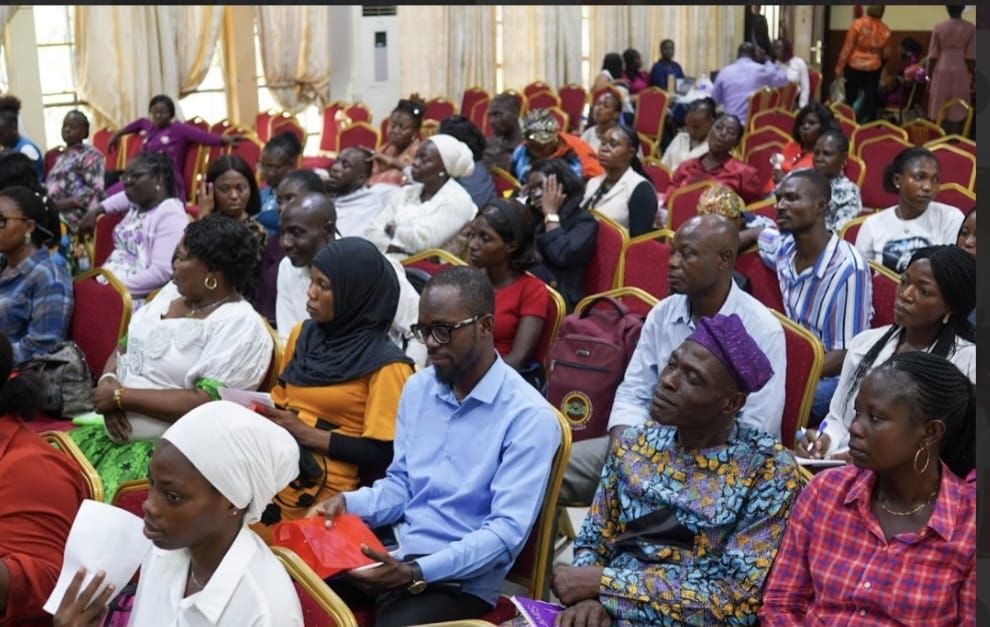
The event was attended by key stakeholders, including Raquel Kasham Daniel, Executive Director of Beyond the Classroom Foundation, and representatives from the Stand With A Girl (SWAG) Initiative, among others.
They collectively lauded the project’s success, describing it as a foundational step toward institutionalising child protection systems within FCT schools. They also agreed that the framework has set a sustainable precedent for ensuring that schools remain safe spaces for learning, growth, and personal development for every child.


More Stories
Canada-Based Nigerian Entrepreneur Wins 2026 Women of Rubies Media Pitch Challenge
Spotlight: Impact Leader of the Month | Aderonke Olisa
Guardian Woman Festival Opens in Style, Launching Month-Long Celebration of Women