

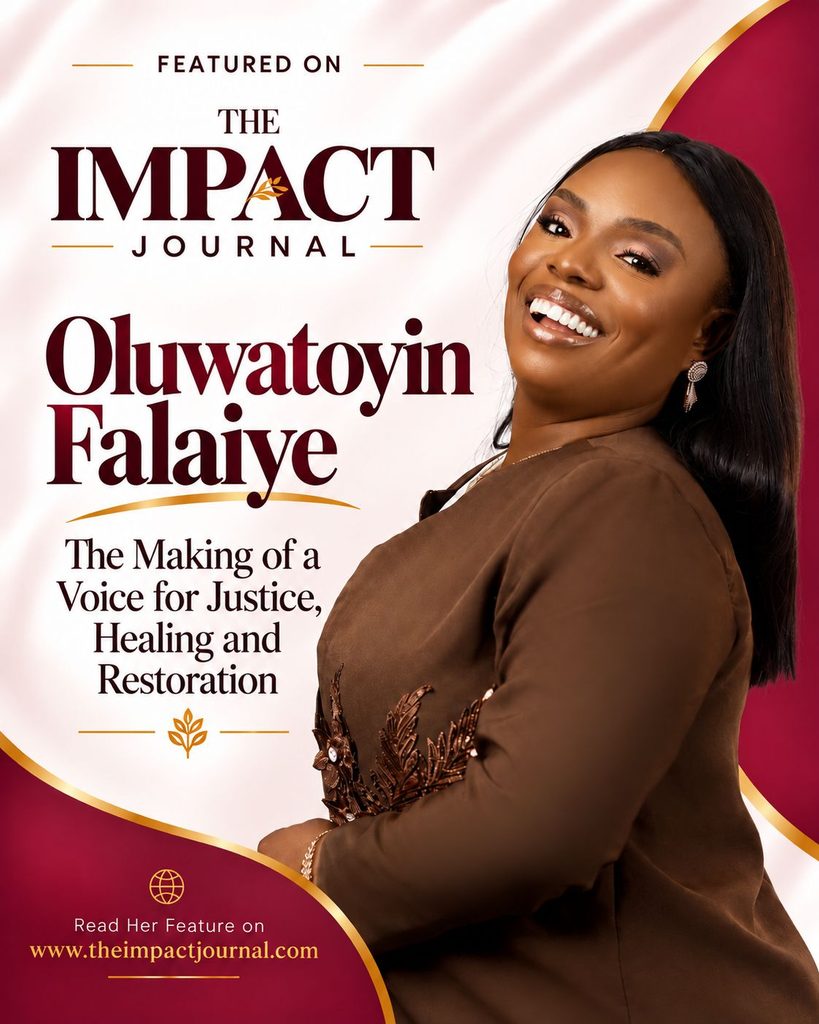
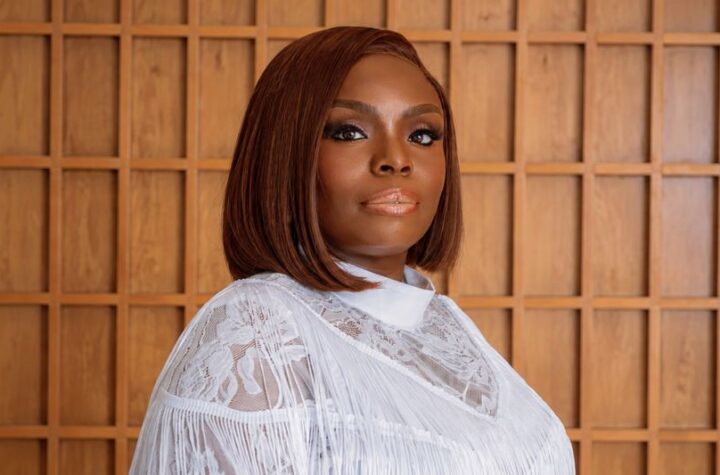
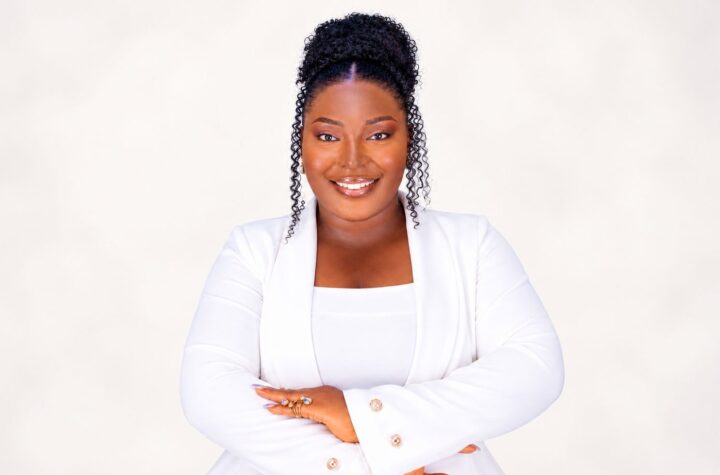
Oluwatoyin Falaiye is a legal practitioner, gender justice advocate, trauma management and life transformation coach, author, speaker and ordained minister of the Gospel. With over 15 years of experience in the legal profession, she has built a career spanning corporate and commercial law while extending her work into community advocacy, survivor support, leadership development and ministry. She is the Principal Partner at Pheggos Legal, founder of Jewels Hive Initiative, and the author of Diamond in the Rough and The Making of a Yielded Woman.
When I look at Oluwatoyin’s life and work, I see a woman whose story cannot be told through her titles alone. There is the lawyer, the advocate, the coach, the author and the minister. There are the organisations she has built, the women and girls she has worked with, and the different spaces in which she has chosen to serve. Beneath these roles, I found a common thread: a deep concern for people, their dignity, their healing and their capacity to become more than their circumstances.
For over 15 years, Oluwatoyin has worked at Rex-Ogbuku and Associates, where she serves as Head of Commercial Law. She also pioneered Pheggos Legal, where she serves as Principal Partner. Her legal career provides a foundation for understanding rights, justice and the systems that govern people’s lives. Yet her work extends beyond traditional legal practice, particularly into the experiences of women and girls who struggle to speak up, seek help or access justice.
This is one aspect of her journey I find worth paying attention to. Oluwatoyin has taken her professional knowledge into communities where justice is not always easily accessible. Her work invites us to look beyond what the law says on paper and consider what justice means to the person who needs it.
This commitment finds expression in Jewels Hive Initiative, the organisation she founded to support victims and survivors of sexual abuse and domestic violence. Through the initiative, she works to provide safe spaces, psychosocial support, counselling, psychotherapy and access to justice. Its work also includes school awareness programmes and advocacy aimed at challenging harmful attitudes and contributing to broader social and policy change.
Supporting survivors requires more than acknowledging what they have experienced. People may need protection, professional support, emotional care and the opportunity to rebuild their confidence. They also need communities and institutions that take their experiences seriously rather than leaving them to navigate the consequences of abuse alone.
Oluwatoyin’s commitment to this work is informed in part by her own experience of sexual abuse. For years, she carried experiences she struggled to speak about. When she eventually began sharing her story publicly, women and girls started reaching out to tell her theirs. Their responses brought the need for safe, supportive spaces into sharper focus and reinforced her determination to contribute to a world where survivors can find help, dignity and the opportunity to heal.
I think this distinction matters. When we tell the stories of people who have survived difficult experiences, it is easy to make the experience itself the centre of the narrative. We become so focused on what happened to them that we pay less attention to what they have chosen to do with their lives since. In Oluwatoyin’s case, her experience helps us understand some of the convictions behind her advocacy, but the work she has built tells us what she has chosen to do with that understanding.
Her interest in human development extends beyond survivor support. As a life transformation and trauma management coach, with training through the School of Trauma-Informed Managers Nigeria, Moving the Human Spirit in Canada, and the African Centre for Leadership and Strategic Development, she brings together trauma-informed understanding, personal growth and leadership development. Through Vulnerable Inspiration Company and Thrive Coaching Hub, her work focuses on helping people develop their capacities, grow in leadership and approach their lives and responsibilities with greater clarity.
What I see here is a commitment not only to helping people find their footing, but also to helping them recognise what they can do with it. Healing matters, but so does the opportunity to grow beyond difficult experiences, discover personal strengths and build a future that is not defined by what happened in the past. Oluwatoyin’s work reflects an interest in both parts of that journey.
She has also used writing to explore questions of adversity, identity, faith and personal transformation. Her book Diamond in the Rough offers a deeply personal account of her journey, while its sequel, The Making of a Yielded Woman, takes the conversation into the continuing process of becoming. Through her books, she invites readers to look beyond their circumstances and consider what it means to grow through the different seasons of life.
For me, The Making of a Yielded Woman is more than another title in her list of publications. It offers a lens through which to understand the different expressions of her life. The lawyer, the woman working with survivors, the coach, the author and the minister may appear to be separate versions of Oluwatoyin, but I see them as different expressions of a deeper commitment: to make herself available for the work she believes matters.
That understanding is rooted in her Christian faith. As an ordained minister of the Gospel, she has served through Supernatural Woman Network, a ministry to which she dedicated five years of her life. This represents a significant chapter in her journey, shaped by the time, energy and commitment she invested in serving women and advancing the work she believed she had been called to do.
Now, she is stepping into a new assignment: W.A.S.H.E.D GLOBAL, a revival movement focused on reconciling, realigning and restoring people to God.
And this is the part of her story that stayed with me. It is one thing to speak about purpose when beginning something new. It is another to embrace change after spending five years building, serving and giving yourself to a particular assignment. When something has occupied so much of your life, moving on is not simply a matter of announcing a new initiative. It means releasing what is familiar and making room for what comes next.
For Oluwatoyin, this transition does not diminish the value of her years with Supernatural Woman Network. The relationships, lessons and work of that chapter remain part of her story. But she is now making room for a different expression of her ministry, carrying the experience and growth of what came before into a new assignment.
This is where the meaning of The Making of a Yielded Woman becomes tangible. Yielding is not simply about enduring difficult circumstances or declaring oneself available for a purpose. Sometimes, it means recognising that a season has changed and having the courage to respond to what comes next, even when that response requires letting go of something familiar.
Looking across Oluwatoyin’s life, I see how this commitment finds expression in different ways: in her legal practice, her support for women and girls through Jewels Hive Initiative, her work in coaching and leadership development, her writing, and her ministry. Each space comes with its own demands, but all offer opportunities to use her knowledge, experiences and faith in service of others.
There is also something worth noticing about the people at the heart of her work. Beyond the professional recognition, the books and the organisations, there are women and girls who need someone to take their experiences seriously, survivors seeking support, and individuals trying to rebuild their lives or find direction. The impact of Oluwatoyin’s work cannot be understood only by looking at what carries her name. We must also consider the people those efforts are intended to serve.
Her stated desire to die empty reflects this commitment: to give what she has been entrusted with and use her gifts in service of others. It is an aspiration that reaches beyond professional titles or the number of roles she occupies. It speaks to a desire to contribute meaningfully and to give generously of what she has to offer.
Oluwatoyin Falaiye’s story is about the making of a voice for justice, healing and restoration, but it is also about what it means to remain available for the work one believes in. Across her legal career, advocacy, coaching, writing and ministry, I see a woman continually finding ways to put her knowledge, experiences and faith in service of others.
As she moves from five years of service through Supernatural Woman Network into her new assignment with W.A.S.H.E.D GLOBAL, I find myself returning to the idea at the heart of The Making of a Yielded Woman. Perhaps yielding is not only about discovering what you are called to do, but also having the courage to respond when that calling takes a different form. Oluwatoyin’s journey is still unfolding, and this next chapter offers another expression of the life she has chosen to live: one shaped by faith, service and a willingness to give what she has been entrusted with.

More Stories
UK Launches Women in Tech Taskforce to Tackle Barriers to Career Growth
Damilola Uzoma-Udoma: Helping People Discover Purpose and Find Direction
Ayomiposi Ogundipe: From Volunteering to Building Opportunities for Girls and Young People